
Welcome to the Forams subsite on Invertebrate Paleontology!
Please enter a genera name to retrieve more information.

Cibicidoides
Classification
Phylum:
Protista
Subphylum:
Sarcodina
Class:
Reticularea
Subclass:
Granuloreticulosia
Order:
Foraminiferida
Suborder:
Rotalina
Superfamily:
Cassidulinacea
Family:
Anomalinidae
Subfamily:
Anomalininae
Formal Genus Name and Reference:
Cibicidoides Thalmann, 1939, *1897d, p. 448
Type Species:
Truncatulina mundula Brady, Parker, & JONES, 1888, *203, p. 228, OD
Images
(Click to enlarge in a new window)
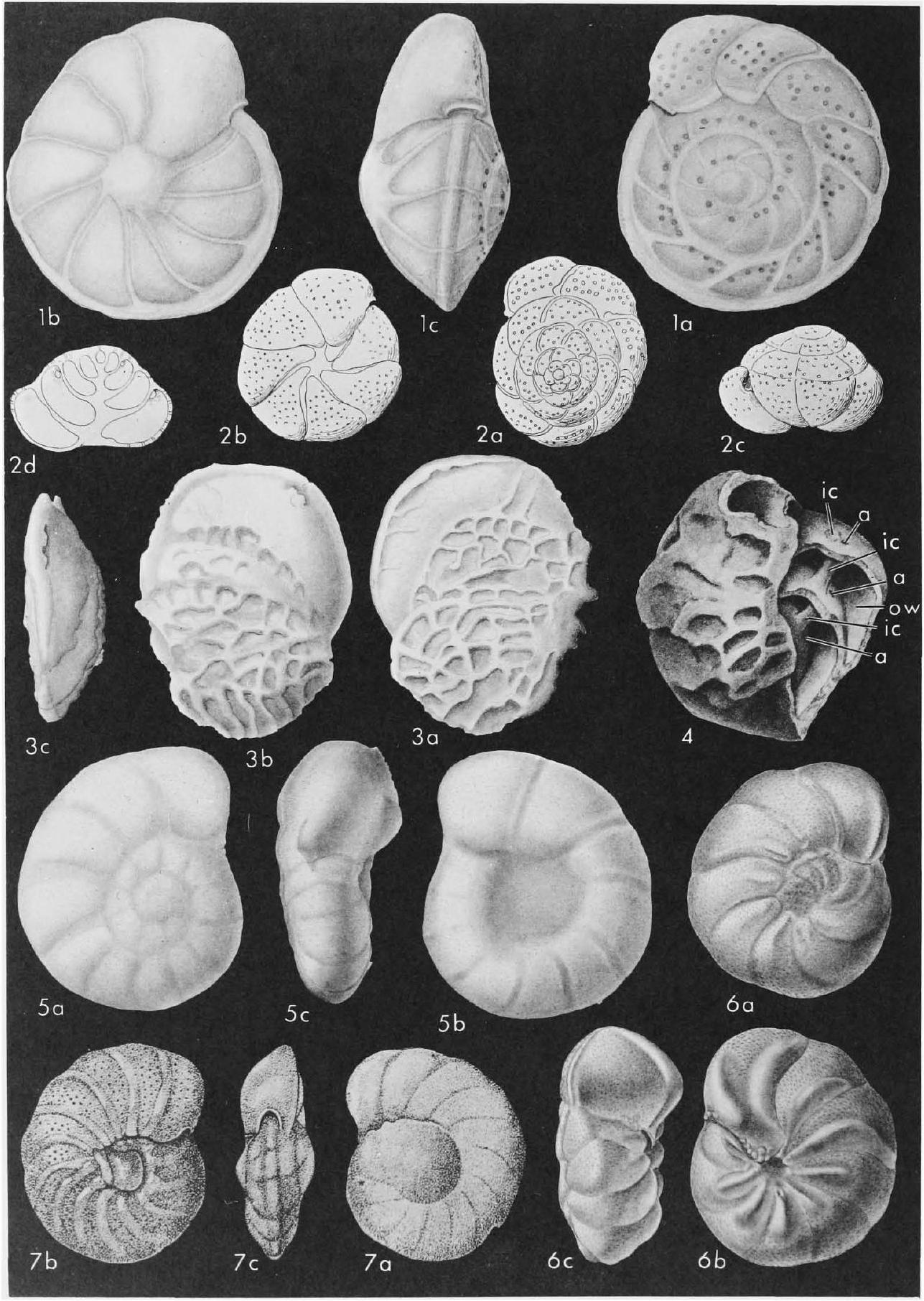 Fig. 621,1. *C. mundula (BRADY, PARKER, &
JONES); 1a-e, opp. sides and edge view of lectotype
(here designated and refigured), BMNH-ZF3585, from Plumper Station 4, 260 fathoms, lat. 22°54'S., long., 40°37'W., over Abroholos Bank, off coast of Brazil, S.Am., X109 (*1l66). -- Fig. 621,2. C. hyalinus (HOFKER), Rec., Sumatra; 2a-e, opp. sides and edge view; 2d, axial sec., X105 (*928c)
Fig. 621,1. *C. mundula (BRADY, PARKER, &
JONES); 1a-e, opp. sides and edge view of lectotype
(here designated and refigured), BMNH-ZF3585, from Plumper Station 4, 260 fathoms, lat. 22°54'S., long., 40°37'W., over Abroholos Bank, off coast of Brazil, S.Am., X109 (*1l66). -- Fig. 621,2. C. hyalinus (HOFKER), Rec., Sumatra; 2a-e, opp. sides and edge view; 2d, axial sec., X105 (*928c)
Synonyms
Cibicidoides
Geographic Distribution
Ind.O.-Atl.O.
Age Range
Beginning Stage in Treatise Usage:
Rec.
Beginning International Stage:
Greenlandian
Fraction Up In Beginning Stage:
0
Beginning Date:
0.01
Ending Stage in Treatise Usage:
Rec.
Ending International Stage:
Meghalayan
Fraction Up In Ending Stage:
100
Ending Date:
0
Description
Test free, trochospiral, biconvex and biumbonate, all chambers visible on spiral side, only those of final whorl visible on umbilical side, wall calcareous, hyaline, with series of coarse perforations on spiral side, appearing only near previous spiral suture in early portion of test, but covering large portion of spiral side of later chambers, aperture a low interiomarginal equatorial arch with slight projecting lip. [Although specimens were not available for determining the wall structure of the type-species, C. pmpriw is very similar to this species in other features and is of granular wall structure. The so-called radially built species listed by WOOD & HAYNES (1957, *2076) belong elsewhere (Cibieidina, etc.).]
References
Museum or Author Information
Classification
Phylum:
Protista
Subphylum:
Sarcodina
Class:
Reticularea
Subclass:
Granuloreticulosia
Order:
Foraminiferida
Suborder:
Rotalina
Superfamily:
Cassidulinacea
Family:
Anomalinidae
Subfamily:
Anomalininae
Formal Genus Name and Reference:
Cibicidoides Thalmann, 1939, *1897d, p. 448
Type Species:
Truncatulina mundula Brady, Parker, & JONES, 1888, *203, p. 228, OD
Images
(Click to enlarge in a new window)
Fig. 621,1. *C. mundula (BRADY, PARKER, &
JONES); 1a-e, opp. sides and edge view of lectotype
(here designated and refigured), BMNH-ZF3585, from Plumper Station 4, 260 fathoms, lat. 22°54'S., long., 40°37'W., over Abroholos Bank, off coast of Brazil, S.Am., X109 (*1l66). -- Fig. 621,2. C. hyalinus (HOFKER), Rec., Sumatra; 2a-e, opp. sides and edge view; 2d, axial sec., X105 (*928c)
Synonyms
Cibicidoides
Geographic Distribution
Ind.O.-Atl.O.
Age Range
Beginning Stage in Treatise Usage:
Rec.
Beginning International Stage:
Greenlandian
Fraction Up In Beginning Stage:
0
Beginning Date:
0.01
Ending Stage in Treatise Usage:
Rec.
Ending International Stage:
Meghalayan
Fraction Up In Ending Stage:
100
Ending Date:
0
Description
Test free, trochospiral, biconvex and biumbonate, all chambers visible on spiral side, only those of final whorl visible on umbilical side, wall calcareous, hyaline, with series of coarse perforations on spiral side, appearing only near previous spiral suture in early portion of test, but covering large portion of spiral side of later chambers, aperture a low interiomarginal equatorial arch with slight projecting lip. [Although specimens were not available for determining the wall structure of the type-species, C. pmpriw is very similar to this species in other features and is of granular wall structure. The so-called radially built species listed by WOOD & HAYNES (1957, *2076) belong elsewhere (Cibieidina, etc.).]