
Welcome to the Forams subsite on Invertebrate Paleontology!
Please enter a genera name to retrieve more information.
Planomalina
Classification
Phylum:
Protista
Subphylum:
Sarcodina
Class:
Reticularea
Subclass:
Granuloreticulosia
Order:
Foraminiferida
Suborder:
Rotalina
Superfamily:
Globigerinacea
Family:
Planomalinidae
Formal Genus Name and Reference:
Planomalina Loeblich & TAPPAN, 1946, *1154, p. 257
Type Species:
P. apsidostroba Loeblich & Tappan, 1946, = Plantulina buxtorfi GANDOLFI, 1942, *768, p. 103, OD
Images
(Click to enlarge in a new window)
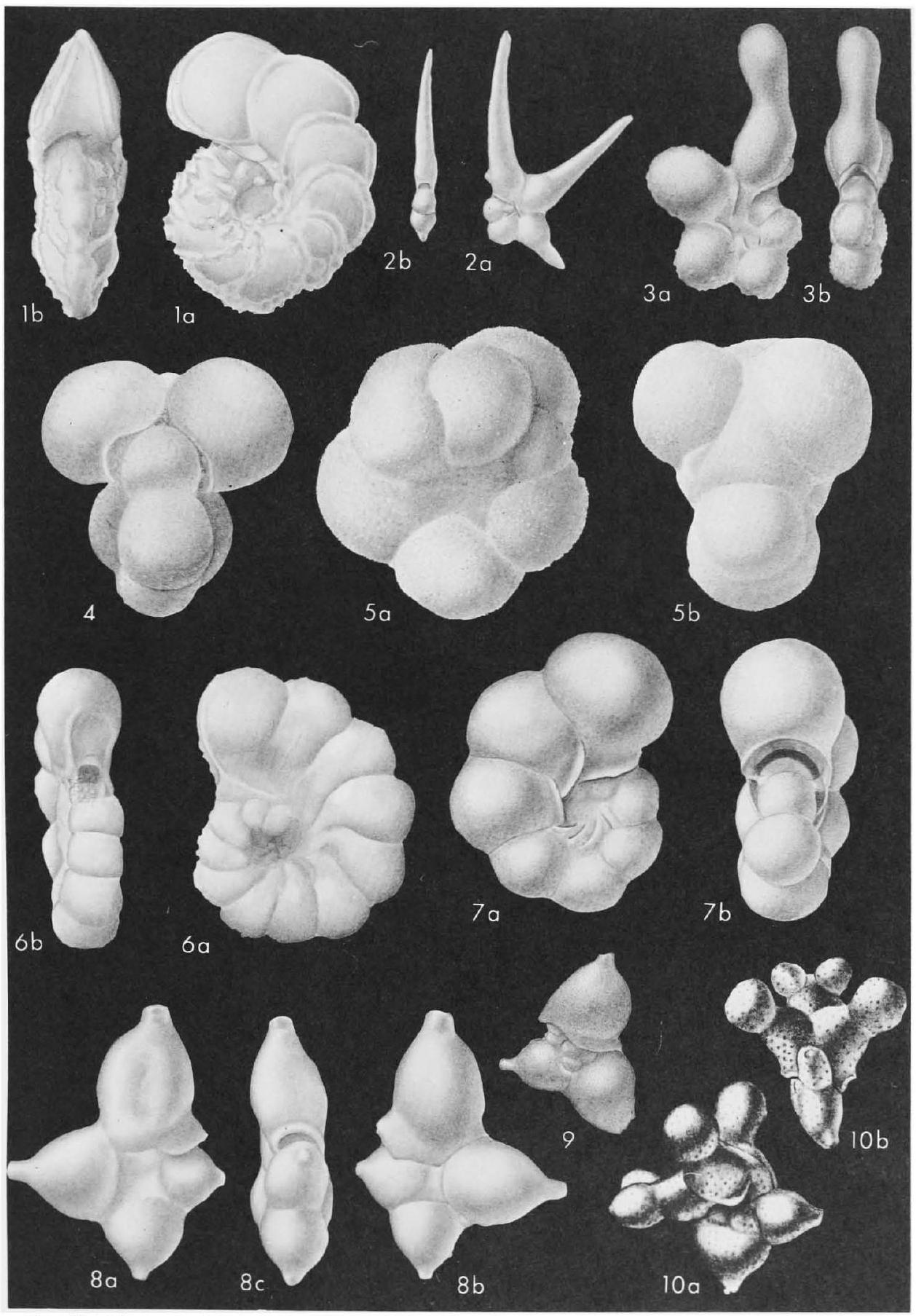 Fig. 526,1. P. buxtorfi (Gandolfi), L.Cret.(Alb.), USA(Tex.)l 1a,b, side, edge views of holotype of P. apsidostroba, X84 (*164).
Synonyms
Geographic Distribution
N. Am. - Eu.-Carib.-N.Afr.-Pak.
Age Range
Beginning Stage in Treatise Usage:
Cret.(Alb.)
Beginning International Stage:
Albian
Fraction Up In Beginning Stage:
0
Beginning Date:
113.2
Ending Stage in Treatise Usage:
U. Cret.(Cenoman.)
Ending International Stage:
Cenomanian
Fraction Up In Ending Stage:
100
Ending Date:
93.9
Description
Test free, planispiral, biumbilicate, involute to partially evolute, lobulate in outline, chambers angular-rhomboid, sutures radial, curved, elevated, wall calcareous, finely perforate, radial in structure, test ornamented by keel and thickened and nodose sutures, aperture an interiomarginal, equatorial arch, with opening extending back at either side to septum at base of chamber, lateral umbilical portions of successive apertures remaining open as supplementary relict apertures, each with remnant of bordering apertural lip.
References
Lister, Gulielma, , \& Tappan, Helen, 1946, New Washita Foraminifera: Jour. Paleontology, v. 20, p. 238-258, pl. 35-37, 4 text-fig.(1155) 1949, New Kansas Lower Cretaceous Foraminifera: Washington Acad. Sci., Jour., v. 39, no. 3, p. 90-92.--(1156) 1949, Foraminifera from the Walnut Formation (Lower Cretaceous) of northern Texas and Southern Oklahoma: Jour. Paleontology, v. 23, no. 3, p. 245-266, pl. 46-51-(1157) 1950, North American lurassic Foraminifera II: characteristic western interior Callowian species: Washington Acad. Sci., Jour., v. 40, no. 1, p. 5-19, pl. 1. -(1158), 1952, Cribrotextularia, a new foraminiteral genus from the Eocene of Florida: Same, v. 42, no. 3, p. 79-81, fig. 1-5.(1159) 1952, Adercotryma, a new Recent foraminiferal genus from the Arctic: Same, v. 42, no. 5, p. 141-142, text-fig. 1-4.-(1160) 1952, Poritextularia, a new Recent foraminiferal genus: Same, v. 42, no. 8, p. 264-266, textfig. 1-3.-(1161) 1952, The foraminiferal genus Triplasia Reuss, 1854: Smithsonian Misc. Coll., v. 117, no. 15, p. 1-61, pl. 1-8. (1162) 1953, Studies of Arctic Foraminifera: Same, v. 121, no. 7, p. 1-150, pl. 1-24.(1163) 1953, Olssonina Bermúdez, 1949 for Cribrotextularia Loeblich and Tappan, 1952: Micropaleontologist, v. 7, no. 2, p. 44-45. (1164) 1954, The type species of Bulbophragmium Maync, 1952: Same, v. 8, no. 4, p. 32-33.
Museum or Author Information
Classification
Phylum:
Protista
Subphylum:
Sarcodina
Class:
Reticularea
Subclass:
Granuloreticulosia
Order:
Foraminiferida
Suborder:
Rotalina
Superfamily:
Globigerinacea
Family:
Planomalinidae
Formal Genus Name and Reference:
Planomalina Loeblich & TAPPAN, 1946, *1154, p. 257
Type Species:
P. apsidostroba Loeblich & Tappan, 1946, = Plantulina buxtorfi GANDOLFI, 1942, *768, p. 103, OD
Images
(Click to enlarge in a new window)
Fig. 526,1. P. buxtorfi (Gandolfi), L.Cret.(Alb.), USA(Tex.)l 1a,b, side, edge views of holotype of P. apsidostroba, X84 (*164).
Synonyms
Geographic Distribution
N. Am. - Eu.-Carib.-N.Afr.-Pak.
Age Range
Beginning Stage in Treatise Usage:
Cret.(Alb.)
Beginning International Stage:
Albian
Fraction Up In Beginning Stage:
0
Beginning Date:
113.2
Ending Stage in Treatise Usage:
U. Cret.(Cenoman.)
Ending International Stage:
Cenomanian
Fraction Up In Ending Stage:
100
Ending Date:
93.9
Description
Test free, planispiral, biumbilicate, involute to partially evolute, lobulate in outline, chambers angular-rhomboid, sutures radial, curved, elevated, wall calcareous, finely perforate, radial in structure, test ornamented by keel and thickened and nodose sutures, aperture an interiomarginal, equatorial arch, with opening extending back at either side to septum at base of chamber, lateral umbilical portions of successive apertures remaining open as supplementary relict apertures, each with remnant of bordering apertural lip.
References
Lister, Gulielma, , \& Tappan, Helen, 1946, New Washita Foraminifera: Jour. Paleontology, v. 20, p. 238-258, pl. 35-37, 4 text-fig.(1155) 1949, New Kansas Lower Cretaceous Foraminifera: Washington Acad. Sci., Jour., v. 39, no. 3, p. 90-92.--(1156) 1949, Foraminifera from the Walnut Formation (Lower Cretaceous) of northern Texas and Southern Oklahoma: Jour. Paleontology, v. 23, no. 3, p. 245-266, pl. 46-51-(1157) 1950, North American lurassic Foraminifera II: characteristic western interior Callowian species: Washington Acad. Sci., Jour., v. 40, no. 1, p. 5-19, pl. 1. -(1158), 1952, Cribrotextularia, a new foraminiteral genus from the Eocene of Florida: Same, v. 42, no. 3, p. 79-81, fig. 1-5.(1159) 1952, Adercotryma, a new Recent foraminiferal genus from the Arctic: Same, v. 42, no. 5, p. 141-142, text-fig. 1-4.-(1160) 1952, Poritextularia, a new Recent foraminiferal genus: Same, v. 42, no. 8, p. 264-266, textfig. 1-3.-(1161) 1952, The foraminiferal genus Triplasia Reuss, 1854: Smithsonian Misc. Coll., v. 117, no. 15, p. 1-61, pl. 1-8. (1162) 1953, Studies of Arctic Foraminifera: Same, v. 121, no. 7, p. 1-150, pl. 1-24.(1163) 1953, Olssonina Bermúdez, 1949 for Cribrotextularia Loeblich and Tappan, 1952: Micropaleontologist, v. 7, no. 2, p. 44-45. (1164) 1954, The type species of Bulbophragmium Maync, 1952: Same, v. 8, no. 4, p. 32-33.